
The gas station receipt was staring at me from the dashboard, and my youngest had just spilled an entire juice box on the backseat. My wife looked at me from the passenger seat — that look that says is this worth it? — and then our older one pressed his nose against the window and said, "Dad, look, a field of sunflowers." And just like that, it was absolutely worth it. We've been traveling as a family for years now, and for most of that time, money was genuinely tight. Not "let's skip the fancy dinner" tight — more like "can we afford the toll road?" tight. What started as necessity turned into something I'm actually proud of: we learned to travel lean, and somewhere along the way, we discovered that the leanest trips were often the most memorable ones. Here's what we've figured out.
Timing Is Everything (Seriously, It Changes Everything)
The single biggest factor that affects what we spend is when we go, not where. We've driven the same stretch of highway in peak summer and in late September, and the difference in campsite fees, motel rates, and even gas station crowds was remarkable. Shoulder season — that sweet spot just before or after the main tourist rush — is our secret weapon. The weather is usually still great, the kids don't mind slightly cooler evenings if it means fewer lines at the national park entrance, and we've saved hundreds of dollars on a single trip just by shifting our departure by three weeks. If your kids are school-age, I know what you're thinking: we can't just pull them out of school. We've done it twice, with the school's blessing, framing it as an educational trip. A letter to the teacher, a travel journal for the kids, and a promise to visit at least one historical site goes a long way. Not every school will agree, and I respect that — but it's worth asking.
 Where We Sleep (and How We Stopped Feeling Guilty About It)
Hotels nearly killed our travel budget in the early days. Two adults, two kids — you're almost always paying for a suite or two rooms, and it adds up fast. The shift that changed everything for us was embracing a mix of camping, vacation rentals, and the occasional roadside motel without shame. Camping with kids sounds exhausting, and honestly, the first trip kind of was. But now? My kids light up the moment we start setting up the tent. There's something that happens around a campfire — phones go away, stories come out, and the kids are asleep by 8:30 because fresh air does what no bedtime routine ever could. State park campgrounds are our go-to: they're well-maintained, affordable (usually $15–30 a night), and often in genuinely beautiful spots that private campgrounds can't compete with. When we want a roof over our heads, we look for vacation rentals with a kitchen. Cooking even half our meals cuts food costs dramatically, and breakfast in a real kitchen — even a cramped one — beats a hotel continental spread every single time. The kids help make pancakes. That's part of the trip too.
The Food Question: How to Eat Well Without Eating Out Every Meal
We used to eat out three times a day on trips. The bills were staggering, the kids were often too tired or overstimulated to enjoy restaurants anyway, and we spent half our time looking for places that had a kids' menu. Now we follow a simple rule: one real local meal a day, the rest from our cooler or a grocery store. That one local meal is always a highlight. We research ahead — not through big travel sites, but through local Facebook groups and asking at the campground or motel: Where do people here actually eat? We've had incredible meals in tiny diners in the middle of nowhere that cost a fraction of what a tourist-area restaurant would charge. Those are the meals we still talk about. The cooler, meanwhile, is packed with snacks, sandwich stuff, fruit, and whatever the kids are obsessed with that week. Road trip snacks are their own category of joy — my son still refers to a bag of ranch-flavored sunflower seeds as "the Colorado snack" because that's where we first had them.
Free Is a Full-Time Strategy, Not a Fallback
The America the Beautiful Annual Pass ($80 for a year, unlimited entry to national parks and federal lands) is the best travel investment we've ever made. We paid for it on the first trip, and it's been pure savings since. If you're doing even one national park trip a year with kids, it's a no-brainer. Beyond that, we've learned to look harder at what's already free. Small towns across the country have free local museums, free festivals, free swimming holes, free hiking trails with views that rival anything you'd pay to see. Our kids have zero preference between a ticketed attraction and a perfect afternoon at a river we found on a paper trail map from a visitor center. If anything, they remember the unplanned stops more vividly than the ones we carefully budgeted for.
A Few Practical Notes for Families Getting Started
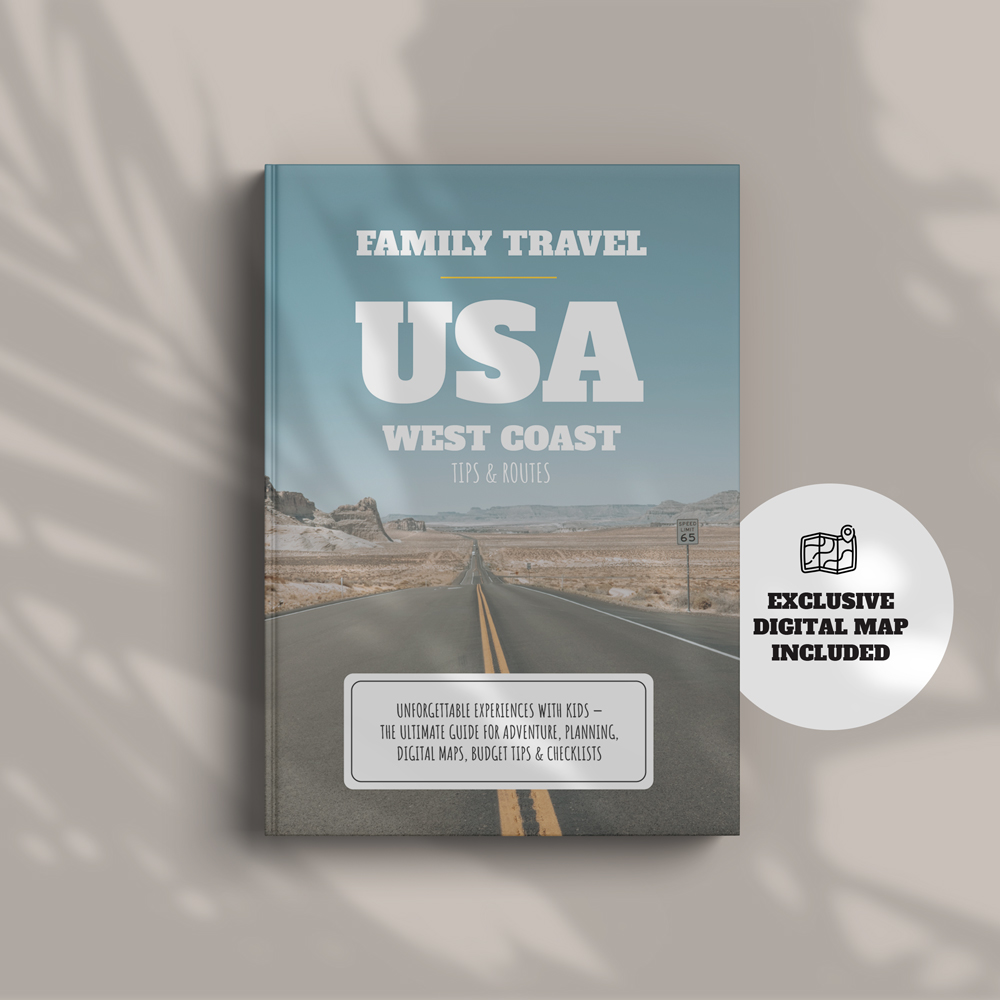
If you're new to budget family travel, start with one overnight trip close to home. Camp or rent something simple, cook your own breakfast, pick one free thing to do. Get comfortable with the rhythm before adding distance. Gear can be borrowed before it's bought — we borrowed a tent for two trips before deciding it was worth owning one. And credit card points, when managed carefully and paid off monthly, have funded more than one free hotel night for us. Ages 4 and up tend to travel pretty well in our experience, though every kid is different. Build in buffer time — one "nothing day" mid-trip where you just hang around wherever you are. Those days always turn into something unexpected and wonderful. What I've come to believe is that budget travel doesn't mean lesser travel. The constraints push you toward local, toward slow, toward the kind of serendipitous moments that a packed itinerary would have scheduled right out of existence. My kids have seen more of this country from the backseat of our car than most adults do in a lifetime, and most of it cost less than we feared. The juice box stain eventually came out, by the way. The sunflower field is still one of my favorite memories. If you're planning a family road trip across the USA and want a deeper guide — covering routes, stops, parks, and real family logistics — check out our book, available here on Amazon. It's everything we wish we'd had when we started.
Plan Your USA Road Trip With Confidence.
Get the complete West Coast family itinerary — including practical planning tips and an exclusive digital map.